Becoming a Villager
I’ll be honest, it’s been hard to put pen to paper, or rather, finger to key, this week. There are so many thoughts swirling around my head about what is happening in Minnesota as we speak. When people are being torn from their families, targeted because of their skin color, and children are being used as bait, how does one think about anything else? How does one write about anything else? The last few weeks have been devastating and cruel, but one thing shone through: the immense power of community. Minnesota is, once again, exemplifying the importance of community building and mutual aid. Minnesotans are gathering in -30 degree weather, picking up groceries, escorting children safely into school, fundraising to support legal costs, and so much more, supporting each other in every way they can. The most beautiful thing a human can do is be in and provide community with others. What can we learn from Minnesota? In this age of loneliness, how can we foster community before devastation and cruelty knock on our own doors? We must start in our everyday lives. We must become villagers in order to receive a village in return.
I believe that when something terrible happens, whether personal or beyond, the best thing you can do is turn to your community, but what happens if you don’t have a community? How did we get here, to this lonely, individualized society? I think we all know the root, but I’m not going to sit here on my blog and preach to you about how the internet and social media have ruined everything, because that might be a little hypocritical of me. Instead, I’d like to focus on how we can call each other into our communities, rather than out, for our mutual descent into the norm.
Let’s start small. When I was little, my parents said “Hello, good morning” to every person we walked by in our neighborhood. When we moved to a new neighborhood, our neighbors showed up at our door just to introduce themselves. I knew everyone on my street because of these small acts. I became friends with the kids on my street, and my parents became friends with their parents, just because of these seemingly small acts. When did we stop doing this? When did we stop caring about who was living next door to us? When did we stop caring about welcoming people into our already established communities? It’s talking to your barista, your server, the woman you see every day walking her dog. It’s saying please and thank you, reminding the people around you that you are grateful for their contributions to your life, however small. It’s yelling “Congratulations, you look beautiful” out of your car window when you see a bride on the sidewalk. I challenge you to compliment a stranger this week.
Getting just a little bit bigger. How many people do you see every day that you recognize but have never spoken to? This could be someone you have class with, someone who sits a few desks over from you at work, someone who grabs their coffee at the same time as you every Tuesday, someone who always works out at the same time as you, or someone who’s in the same club as you but runs in a different circle. This person has at least one thing in common with you, yet you probably don’t know them at all. For the brave, I challenge you to shoot that person a smile or a wave. For the truly courageous, I challenge you to hit that person with a “Fancy seeing you here!”
Now, let’s get a little more personal, okay? How can we be better about showing up for the people in our lives already? It’s not just about celebrating accomplishments and being there when things go wrong. Those things are important, of course, but everyday actions matter too. It’s doing the chore your roommate hates, bringing an appetizer to wine night, coming early to set up, sticking around to clean up, small “just because” gifts, asking questions that spark conversation, or an “I saw this and thought of you” text. Simple reminders of I’m here, and I love you go a long way. Showing that you are already there, before the rain, before the sun, before anything, is what creates the trust needed to depend on your community when it comes time. This month, I challenge you to think of three ways you can give just a little bit more of your care to three people you love.
In this ongoing conversation of “everyone wants a village, but no one wants to be a villager,” it is so important to remember that there are two sides to being a villager. It isn’t just about showing up for your community; it’s also about allowing your community to show up for you. We must practice accepting help from others and reaching out when we know we need it. Even when we’re scared to ask. It’s accepting that we don’t know everything as one single person; that’s just not possible. Everyone brings different tools to the table, and we have so much to learn from each other. You’re not stupid for not knowing everything. Sit back in conversations on topics you don’t know about and let the people around you be your teachers. If you’re feeling brave, ask them questions and allow them to share their knowledge with you. I challenge you to say yes to all help for an entire week; say yes to someone holding the door for you, say yes when your roommate asks if you need help unloading the dishwasher, say yes when your spouse asks if they can help with dinner, say yes when your coworker asks if you need someone to look that over for you. Beyond that, this year, I challenge you to ask more of the “stupid” questions, because knowledge is power, and we need that right now.
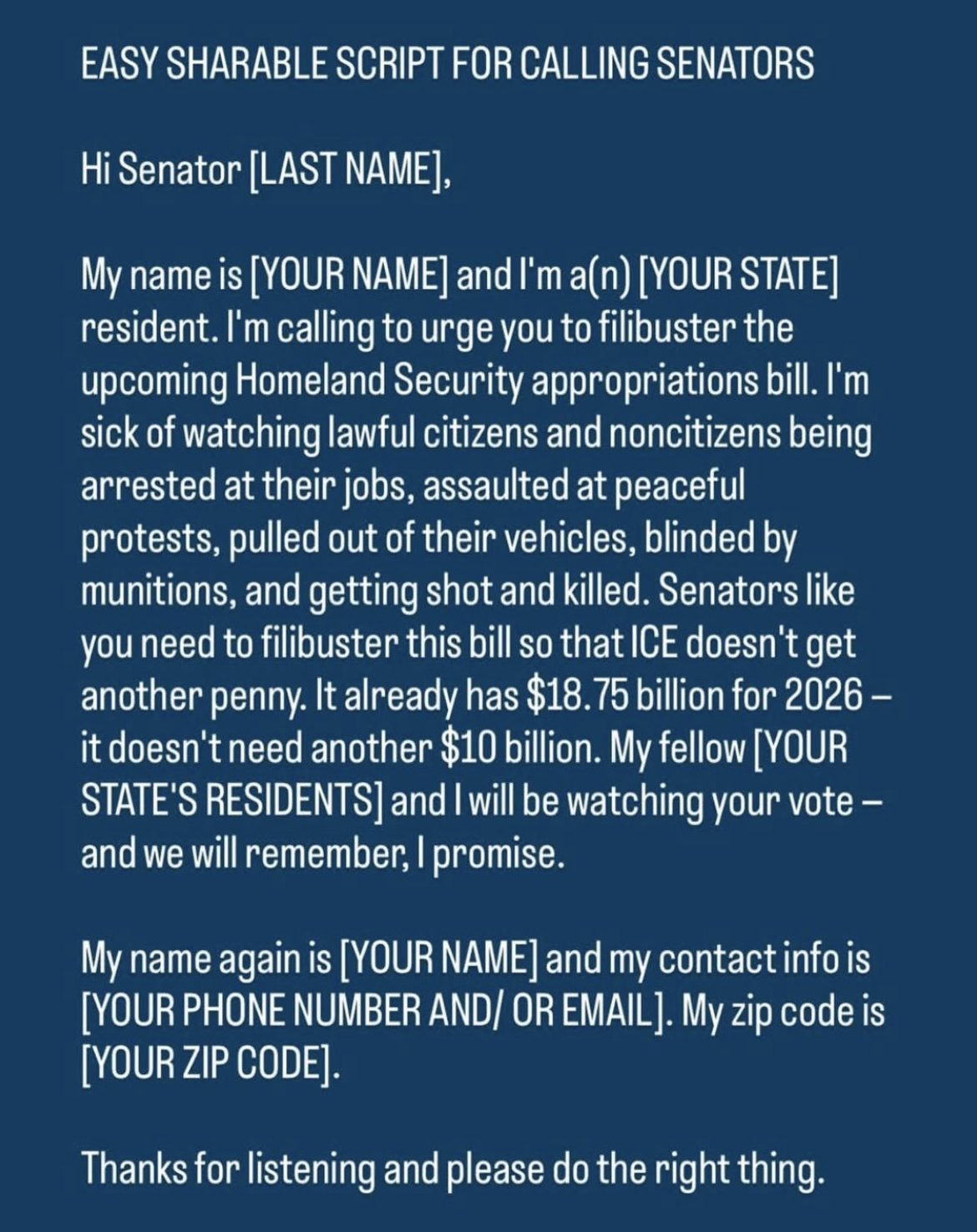
Now, big picture time. How do we show up for our more expansive communities? Our cities? Our state? Our country? How do we get involved? Look to the people whom you already know are involved. Is there a girl in your class with a volunteer club sticker on her laptop? Ask her about it. Did you overhear two strangers talking about an upcoming protest you weren’t aware of? Ask them about it. Do you keep seeing some guy you follow post about the mutual aid he participates in? Ask him about it. Do you know someone in Minnesota? Ask them how you can help, even from miles away. In times like these, we cannot be afraid to ask. In the age of the internet, let’s use it well. Google mutual aid groups and volunteer opportunities in your city. Can you offer to pick up and deliver groceries to those unable to leave their homes? Do you have the funds to donate to food pantries, legal aid, or activist groups? Can you join those groups? Evaluate what skills and knowledge you possess that can help others in these devastating times. Today, I challenge you to call your senators and demand they defund ICE. You can use this link to find your senator's phone number, and I will include a script below. There, I will also be providing a linktree to Minneapolis mutual aid groups that are asking for donations to help better support their community.
In times like these, we must turn to one another. We must build our communities before they come to tear them down. We must become the villagers that those around us so deserve. It’s going to be difficult, but we can do this. I know this because our history is riddled with betrayal and harm, and yet the people have always persisted; the good fight has always been the good fight. It’s overwhelming, it’s heartbreaking, yet we persist because fighting for what is right is the only option we have.
Take care of each other, and yourself too. If you’re struggling with overwhelm, I hope you’ll give my article, Survival of the Joyful: Rest, Resistance, and Recharging the Fight, a chance to help you out. Here is the link to Minnesota’s mutual aid linktree and the script to use when calling your senators. I love you!
Write you soon!
Beth
